Become a Cyber Security Specialist in 3–6 Months in the UK

✔ Industry-aligned training designed for UK employers
✔ Flexible payment options available
£60K Avg. UK Salary
No IT Experience Required
12 Certifications
3–6 Month Career Path

Qualify for Cyber Security Specialist roles earning £40k–£70k in as little as 3–6 months. No prior IT experience required — hands-on labs and career support included.

What Is a Cyber Security Specialist?

A Cyber Security Specialist is someone who protects an organisation’s systems, networks, and data from cyber threats. They monitor for suspicious activity, manage security tools, patch vulnerabilities, and respond to incidents like malware or phishing attacks. They also help create security policies and train staff on safe practices. Cyber Security Specialists keep businesses secure, reduce risk, and support compliance with regulations.

target icon
UK-Based
IT Provider
100
% Live Classes

No pre-recorded lessons

9+
Leading Vendors

Trusted certification tracks

80+
Courses

Covering Every IT Field

7
Days a Week

Flexible Learning, Anytime

About Cyber Security Specialist Career Pathway

The Cyber Security Specialist Career Pathway is a structured programme designed to take you from beginner level to job-ready defensive security skills used in modern organisations. It combines IT and networking foundations with security operations, risk management and hands-on practice to help you build practical skills aligned with the UK market.

This pathway is divided into Beginner, Intermediate and Advanced levels, covering threat awareness, security controls, incident response, vulnerability management, SIEM basics and governance frameworks. With practical labs, scenario-based learning, industry-recognised certifications and dedicated career support, you follow a clear progression route towards roles such as Cyber Security Analyst, SOC Analyst, Security Specialist or Information Security Officer.

12 Industry-Recognised Certifications & Courses Included

A comprehensive overview of all the courses and industry-recognised certifications included as part of the Cyber Security Specialist Career Pathway.

Beginner: 4 certifications
CompTIA ITF+ Certified badge.

CompTIA ITF+ is an entry-level certification that introduces essential IT concepts for beginners. It covers computing basics, software, databases, security fundamentals, and troubleshooting concepts. It is ideal for learners exploring IT careers before progressing to role based certifications.

ISC2 Certified in Cybersecurity (CC).

Certified in Cybersecurity (CC) validates foundational cybersecurity knowledge for beginners. It covers core security principles, basic risk concepts, and common security controls at an introductory level. It is ideal for career starters and those moving into cybersecurity roles.

Microsoft Certified badge for Security, Compliance, and Identity Fundamentals.

Security, Compliance, and Identity Fundamentals (SC-900) introduces foundational concepts across Microsoft security, compliance, and identity. It covers basic principles and how Microsoft solutions support identity management and compliance needs. It is ideal for beginners and business or technical learners starting in security.

CompTIA Security+ Certified badge.

CompTIA Security+ validates core cybersecurity skills for protecting systems, networks, and data. It covers threats, risk management, security controls, secure design concepts, and incident response fundamentals. It is ideal for entry-level security roles and a strong starting point for cybersecurity careers.

Intermediate: 4 certifications
ISC2 Systems Security Certified Practitioner (SSCP).

Systems Security Certified Practitioner (SSCP) validates hands on skills for implementing and managing operational security controls. It covers practical security administration topics across access, monitoring, incident response, and safeguarding assets. It is ideal for practitioners working in day to day security operations.

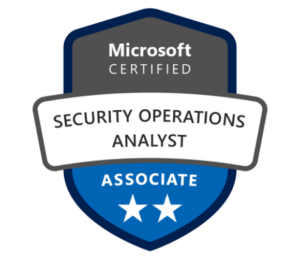
Microsoft Certified Security Operations Analyst Associate badge.

Microsoft Certified Security Operations Analyst Associate (SC-200) validates skills in threat detection, investigation, and response using Microsoft security solutions. It covers monitoring, incident handling, and responding to threats across identities, endpoints, and cloud resources. It is ideal for SOC analysts and security operations roles.

CompTIA CySA+ Certified badge.

CompTIA CySA+ validates skills in security analytics, threat detection, and incident response. It focuses on monitoring, vulnerability management, security operations, and applying analytics to improve defence. It is ideal for SOC and cybersecurity analyst roles.

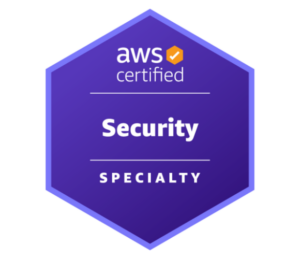
AWS Certified Security Specialty badge.

AWS Certified Security Specialty validates specialised knowledge of securing AWS workloads and data. It covers identity and access, incident response, logging and monitoring, infrastructure security, and data protection. It is ideal for professionals responsible for cloud security and governance.

Advanced: 4 certifications
EC-Council Certified Ethical Hacker (CEH) certification badge.

Certified Ethical Hacker (CEH) introduces ethical hacking concepts and common attacker techniques. It covers how to assess security through reconnaissance, scanning, exploitation concepts, and defensive recommendations. It is ideal for learners starting penetration testing and offensive security pathways.

ISC2 Certified Cloud Security Professional (CCSP).

Certified Cloud Security Professional (CCSP) validates advanced skills in cloud security architecture, governance, risk, and operations. It covers how to secure cloud environments and apply security principles across cloud platforms and services. It is ideal for experienced professionals specialising in cloud security.

ISC² Certified Information Systems Security Professional (CISSP).

Certified Information Systems Security Professional (CISSP) validates advanced knowledge across broad cybersecurity domains. It covers security and risk management, architecture, operations, software security, and governance concepts for enterprise programmes. It is ideal for experienced professionals moving into senior security and leadership roles.

CISM certification badge.

Certified Information Security Manager (CISM) validates skills in managing and governing an enterprise information security programme. It covers governance, risk management, incident management, and aligning security with business objectives. It is ideal for security managers and leadership pathways.

The Steps for Cyber Security Success

This pathway follows a clear step-by-step journey. Each stage builds on the last so you develop solid security foundations, hands-on defensive skills, recognised certifications, and confidence for real security team work.

Start with the Basics

Build a strong foundation in IT, networking and security fundamentals. You will learn how threats happen, what security controls do, and the core terminology used in real security teams. This step is ideal if you are starting from scratch and want a solid base before moving into specialist security skills.

Earn Recognised Certifications

Follow a structured certification path aligned with CompTIA, ISC2 and Microsoft security. You begin with essentials like ISC2 CC, SC-900, and Security+, then progress into analyst and SOC skills with SC-200 and CySA+. At advanced level, you work towards senior credentials such as CISSP and CISM, valued across the UK.

Build Hands-on Skills

Practice what you learn using guided labs and realistic security scenarios. You will analyse logs, investigate alerts, run vulnerability checks, and practise incident response steps in a controlled environment. This turns theory into hands-on security experience you can talk about in interviews.

Get Job-Ready Support

Prepare for the job market with CV support, interview guidance, and practical advice on entry-level cyber security roles. You will learn what recruiters look for in junior security candidates and how to present your labs, incident scenarios, and certifications clearly. This helps you explain threats, controls, and investigations with confidence.

Take the first step toward becoming a Cyber Security Specialist through a structured, industry-aligned pathway designed to build practical security skills, earn recognised certifications, and prepare you for real-world cyber roles in the UK.

Trusted Certification Vendors

Speak to a Cyber Security Career Advisor

Not sure if this pathway is right for you? Our advisors are here to guide you. We offer a free, no-obligation consultation to help you understand the certification route, study plan, pricing options and career opportunities available in the UK networking market.

Whether you are starting from scratch or switching careers, we will build a personalised roadmap tailored to your goals, availability and experience level.

What jobs can I get in the UK after Cyber Security Specialist Career Pathway?

SOC Analyst (Avg £36,743)
Cyber Security Analyst (Avg £41,442)
Security Analyst (Avg £55,990)
Information Security Manager (Avg £67,794)

Ready to Launch Your Cyber Security Career?

Frequently Asked Questions - Cyber Security Specialist Career Pathway

Answers to the most common questions learners ask before starting this pathway.
If you are unsure where to begin, speak to a training advisor for free guidance.

No. Many people enter cyber through certifications and hands-on labs. Employers often care more about fundamentals, practical ability, and how you think during investigations than your degree title.

Start with IT fundamentals, basic networking, and Windows and Linux basics. Then learn security fundamentals like CIA triad, authentication, access control, malware types, and how common attacks happen.

For entry-level roles, many learners become job-ready in 6 to 12 months with consistent study and labs. If you already have IT support or networking experience, you can often transition faster.

SOC Analysts mainly monitor alerts, investigate suspicious activity, and respond to incidents. A Cyber Security Specialist is broader and can include vulnerability management, policy, security tools, risk controls, and improving overall security across the organisation.

They look for strong fundamentals, good troubleshooting, and clear communication. Practical skills like log analysis, basic incident response steps, and understanding common threats are highly valued.

Good starting options include ISC2 CC, Security+, and SC-900. After that, CySA+ and SC-200 help for analyst and SOC-focused roles, depending on the direction you want.

Not always for entry-level roles, but basic scripting helps. Knowing Python or PowerShell can make you better at automation, log parsing, and security tooling, which can speed up your career growth.

Use legal lab platforms like TryHackMe and Hack The Box, plus home labs with virtual machines. Focus on blue-team labs, SIEM practice, log analysis, and incident response scenarios.

Expect questions about phishing response, malware basics, how you would investigate a suspicious login, what logs you would check first, and how you would prioritise an incident.

Many people progress into Senior SOC Analyst, Incident Responder, Threat Hunter, Security Engineer, Cloud Security, or GRC roles. Your path depends on whether you prefer hands-on technical work or governance and risk.

Explore Other IT Career Pathways

Discover additional structured career programmes designed to help you specialise in high-demand areas of IT. Choose the path that matches your interests, strengths, and long-term goals.

A person sitting at a desk holds a red padlock while looking at a laptop displaying a green shield icon. A potted plant is visible beside the desk.

Network Engineer

Build a career in networking with a guided program covering networking fundamentals, enterprise routing, cloud networking, and Cisco certifications.


✔︎ £55K Avg. UK Salary
✔︎ 10 Certifications
✔︎ CompTIA, Cisco & AWS

Learn more
A person with glasses is sitting at a desk, working on a laptop. Surrounding the laptop are graphical elements, including a brain illustration, binary code, and a line graph with an upward trend. A small plant is also visible on the desk. The scene suggests a focus on data science or analytics.

AI Engineer

Train as an AI engineer with a career program covering AI fundamentals, machine learning, cloud AI services, and real-world AI applications.


✔︎ £62K Avg. UK Salary
✔︎ 8 Certifications
✔︎ Microsoft, CompTIA, AWS & Google Cloud

Learn more
A person wearing a black mask sits at a desk with a blue laptop, holding a stick with a cartoon face on it.

Ethical Hacker

Become an ethical hacker with a structured program covering network security, penetration testing, cyber defence, and advanced offensive techniques.


✔︎ £50K Avg. UK Salary
✔︎ 10 Certifications
✔︎ CompTIA, EC-Council & Cisco

Learn more
A person wearing headphones is sitting at a laptop, gesturing with one hand. Behind them are pink gears, suggesting a focus on technology or IT training.

IT Helpdesk Technician

Launch your IT career with a helpdesk technician program covering hardware, Microsoft 365, IT service management, and real-world support skills.


✔︎ £30K Avg. UK Salary
✔︎ 9 Certifications
✔︎ CompTIA, Microsoft & PeopleCert

Learn more
A person with red hair is holding a blank screen while surrounded by various computer interface windows, including a pie chart and a line graph. The context suggests a focus on data analysis or digital learning.

Data Analyst

Start your data analyst career with hands-on training in data analysis, Power BI, cloud data engineering, and industry-recognised certifications.


✔︎ £38K Avg. UK Salary
✔︎ 8 Certifications
✔︎ Microsoft, CompTIA, AWS & Google Cloud

Learn more
Contact us

Free IT Training Consultation

Use the calendar to book your free one-to-one course advice session with a Codionix IT training expert. Get personalized career guidance to help you choose the best online IT course in the UK for your goals. We’re happy to answer any questions you may have and help you determine which of our training programs best fit your needs.

How it works?
1

You schedule a call at your convenience 

2

We do a free discovery and consulting meeting 

3

We guide you towards the best career path for you

Your benefits:
Find us on:
Schedule a Free Consultation

Not sure which IT course is right for you? Book a free consultation and get expert guidance from our team — no cost, no pressure.