AI Engineer
Train as an AI engineer with a career program covering AI fundamentals, machine learning, cloud AI services, and real-world AI applications.
✔︎ £62K Avg. UK Salary
✔︎ 8 Certifications
✔︎ Microsoft, CompTIA, AWS & Google Cloud

Qualify for Network Engineer roles earning £30k–£73k in as little as 3-6 months. No prior IT experience required — hands-on labs and career support included.
A Network Engineer is someone who makes sure computers and systems can connect and communicate properly. They set up and manage the networks that allow businesses to access the internet, share files and run applications. When something goes wrong with connectivity, performance or security, Network Engineers troubleshoot and fix the issue. They help keep organisations online, secure and operating efficiently.
No pre-recorded lessons
Trusted certification tracks
Covering Every IT Field
Flexible Learning, Anytime
The Network Engineer Career Pathway is a structured programme designed to take you from beginner level to advanced enterprise networking. It combines foundational IT knowledge, core networking principles and professional-level certifications to help you build practical, job-ready skills aligned with the UK market.
This pathway is divided into Beginner, Intermediate and Advanced levels, covering networking, security, Linux, cloud integration and enterprise infrastructure. With hands-on labs, vendor-recognised certifications and dedicated career support, you follow a clear progression route towards roles such as Network Engineer, Infrastructure Engineer or Cloud Network Specialist.
A comprehensive overview of all the courses and industry-recognised certifications included as part of the Network Engineer Career Pathway.
CompTIA ITF+ is an entry-level certification that introduces essential IT concepts for beginners. It covers computing basics, software, databases, security fundamentals, and troubleshooting concepts. It is ideal for learners exploring IT careers before progressing to role based certifications.
CompTIA Network+ validates foundational networking knowledge and practical skills. It covers network concepts, infrastructure, operations, security, and troubleshooting across wired and wireless networks. It is ideal for early-career networking and infrastructure roles.
Cisco Certified Network Associate (CCNA) validates foundational networking knowledge and practical skills. It covers network fundamentals, IP connectivity, network access, security basics, and automation and programmability concepts. It is ideal for entry-level networking roles and Cisco networking pathways.
CompTIA Linux+ validates skills to manage, configure, and troubleshoot Linux systems. It covers Linux administration, scripting basics, security practices, and operational tasks used in real environments. It is ideal for system administrators and IT professionals working with Linux.
CompTIA Server+ validates skills for server administration in on premises and hybrid environments. It covers server hardware, storage, virtualisation, security, maintenance, and troubleshooting. It is ideal for server and data centre support roles.
Cisco Certified DevNet Associate validates foundational skills in software development and automation for Cisco platforms. It covers APIs, automation workflows, application deployment, and integrating software with networking and infrastructure. It is ideal for developers and network engineers moving into automation.
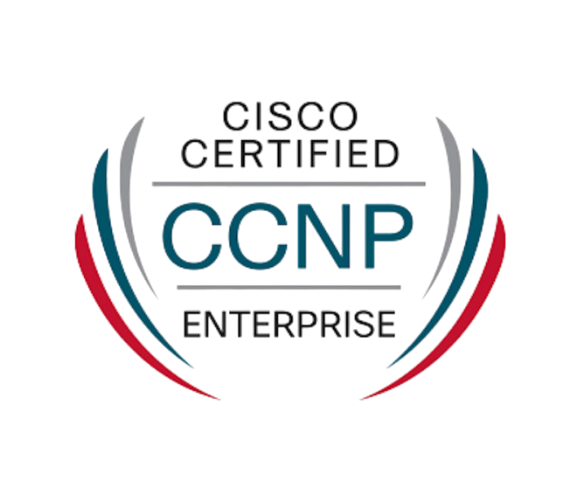
CCNP Enterprise (Core) validates advanced knowledge of enterprise networking technologies. It covers core routing and switching, enterprise infrastructure, security and network assurance concepts, plus automation topics. It is ideal for experienced network engineers progressing to professional level roles.
CCNP Security (Core) validates advanced skills in implementing and operating Cisco security solutions. It focuses on core security concepts, secure connectivity, policy and controls, and security operations in enterprise environments. It is ideal for security focused network professionals.
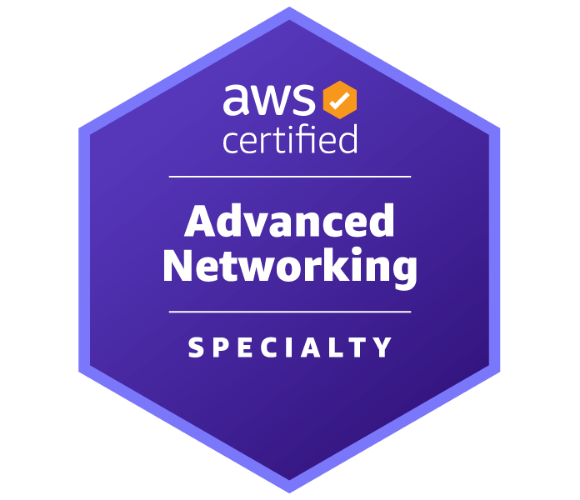
AWS Certified Advanced Networking Specialty validates expert level skills in designing and implementing AWS and hybrid network architectures. It covers complex connectivity, routing, security controls, and network optimisation across cloud and on premises environments. It is ideal for network engineers and architects working at enterprise scale.
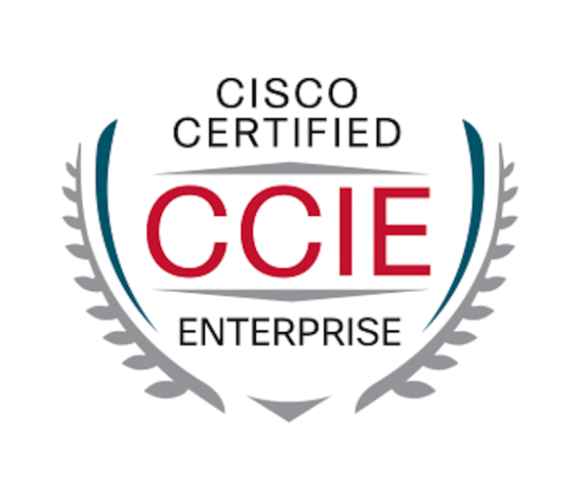
CCIE Enterprise Infrastructure validates expert level capability in designing, deploying, operating, and optimising enterprise network infrastructure. It focuses on complex enterprise networking solutions and automation at scale. It is ideal for senior network experts and top tier infrastructure roles.
This pathway follows a clear step-by-step journey. Each stage builds on the last so you gain skills, certifications, and job-ready confidence in the right order.
Build a strong foundation in IT and networking fundamentals. You will learn how computers communicate, how networks are structured, and the core terms used in real IT support and networking roles. This step is ideal if you are starting from scratch.
Follow a structured certification path aligned with CompTIA and Cisco. Each stage of learning maps to exam objectives, so you are not just learning randomly. You are working towards credentials that employers recognise across the UK and globally.
Practice what you learn using guided labs and real-world scenarios. You will work with IP addressing, subnetting, routing basics, switching concepts, and troubleshooting methods. This turns theory into practical skill you can talk about in interviews.
Prepare for the job market with CV support, interview guidance, and practical advice on entry-level roles. You will learn what recruiters look for in junior networking candidates and how to present your portfolio, labs, and certifications with confidence.
Take the first step toward becoming a certified Network Engineer through a structured, industry-aligned pathway designed to build your skills, earn recognised certifications, and prepare you for real-world networking roles in the UK.
Not sure if this pathway is right for you? Our advisors are here to guide you. We offer a free, no-obligation consultation to help you understand the certification route, study plan, pricing options and career opportunities available in the UK networking market.
Whether you are starting from scratch or switching careers, we will build a personalised roadmap tailored to your goals, availability and experience level.
Answers to the most common questions learners ask before starting this pathway.
If you are unsure where to begin, speak to a training advisor for free guidance.
No. Many Network Engineers start through certifications and hands-on lab practice. Employers often care more about practical skills, troubleshooting mindset, and proof you can work with real network concepts.
Start with IT basics, then networking fundamentals like IP addressing, subnetting, DNS, DHCP, routing, and switching. Once the basics are clear, move into network security and more advanced enterprise topics.
For entry-level network roles, many learners become job-ready in 4 to 9 months with consistent study and labs. If you already have helpdesk experience, you can often move faster because you have real troubleshooting exposure.
IP addressing and subnetting, routing and switching, troubleshooting, and understanding how services like DNS and DHCP work. Employers also value documentation skills and the ability to explain issues clearly.
Common starting certifications include CompTIA Network+ for fundamentals, then Cisco CCNA for professional networking. After that, many progress into CCNP level certifications based on their career goals.
It is not always required for junior roles, but it helps a lot. Linux is common in networking tools, servers, cloud environments, and automation tasks, so it can make you a stronger candidate.
Use Packet Tracer, GNS3 or EVE-NG for routing and switching labs. Practise building small networks, configuring VLANs, setting up routing, and troubleshooting common issues like misconfiguration, wrong subnet masks, and DNS failures.
Network Administrators often focus on day-to-day maintenance and support. Network Engineers usually design, improve, and troubleshoot larger network systems, and handle more complex infrastructure work.
Expect subnetting questions, basic routing and switching concepts, troubleshooting scenarios like “no internet access,” and questions about VLANs, DHCP, DNS, and how you would approach diagnosing a fault.
Common paths include Infrastructure Engineer, Network Security Engineer, Cloud Network Engineer, or Network Architect. Your next step depends on whether you prefer security, cloud, or large-scale enterprise networking.
Discover additional structured career programmes designed to help you specialise in high-demand areas of IT. Choose the path that matches your interests, strengths, and long-term goals.

Train as an AI engineer with a career program covering AI fundamentals, machine learning, cloud AI services, and real-world AI applications.
✔︎ £62K Avg. UK Salary
✔︎ 8 Certifications
✔︎ Microsoft, CompTIA, AWS & Google Cloud

Become an ethical hacker with a structured program covering network security, penetration testing, cyber defence, and advanced offensive techniques.
✔︎ £50K Avg. UK Salary
✔︎ 10 Certifications
✔︎ CompTIA, EC-Council & Cisco

Launch your IT career with a helpdesk technician program covering hardware, Microsoft 365, IT service management, and real-world support skills.
✔︎ £30K Avg. UK Salary
✔︎ 9 Certifications
✔︎ CompTIA, Microsoft & PeopleCert

Start your data analyst career with hands-on training in data analysis, Power BI, cloud data engineering, and industry-recognised certifications.
✔︎ £38K Avg. UK Salary
✔︎ 8 Certifications
✔︎ Microsoft, CompTIA, AWS & Google Cloud
Train for a career in cyber security with a structured program covering security fundamentals, cloud security, ethical hacking, and senior-level certifications.
✔︎ £60K Avg. UK Salary
✔︎ 12 Certifications
✔︎ CompTIA, ISC2, Microsoft, AWS, EC-Council & ISACA

Use the calendar to book your free one-to-one course advice session with a Codionix IT training expert. Get personalized career guidance to help you choose the best online IT course in the UK for your goals. We’re happy to answer any questions you may have and help you determine which of our training programs best fit your needs.
You schedule a call at your convenience
We do a free discovery and consulting meeting
We guide you towards the best career path for you
Fill in the form below and our team will contact you about enrollment, schedule, and payment options.
Tailored IT training solutions for organisations looking to strengthen digital skills across their teams.
Step into high-demand IT roles with guided career paths built around real skills, real certifications, and real jobs.