AWS vs Azure vs Google Cloud certification UK 2026
Choosing your 2026 cloud certification path for UK roles
If you are weighing up AWS vs Azure vs Google Cloud certification UK 2026, this guide focuses on how each path maps to real UK job roles and team environments rather than vendor hype.
We will outline the typical prerequisites, the order to take core exams, and where each vendor tends to be strongest across UK SMEs and enterprises—from IT support moving into cloud, to developers, analysts, and security-focused professionals.
By the end, you will know which certifications align with entry-level, associate, and specialist roles, when it makes sense to mix vendors, and the next practical steps to move from learning to job‑ready practice.
AWS vs Azure vs Google Cloud certification UK 2026: what UK employers value
Across the UK, Azure often leads where organisations run Microsoft estates and hybrid Active Directory. AWS remains strong with startups, scale-ups and teams prioritising breadth and rapid service coverage. Google Cloud is gaining ground in data, analytics and ML-heavy environments. Your best path depends on the estate you expect to support and the role you aim for.
Decision shortcut: Azure for Microsoft-centric enterprises and hybrid governance; AWS for broad architecture skills and multi-account design common in UK product teams; Google Cloud for data-led roles and modern analytics stacks.
How to choose: selection criteria
- Your target role: Support/operations, development, data, security, or platform/DevOps.
- Employer environment: Microsoft-centric enterprise (Azure), product/start-up scale (AWS), or data/ML-first (Google Cloud).
- Entry point vs next step: Start with a fundamentals cert if you are new; step up to associate when you can deploy and troubleshoot hands-on.
- Transferable skills: Networking, identity, scripting (PowerShell/Python), and IaC (Terraform) matter across all vendors.
- Compliance and governance needs: Azure shines with policy and RBAC baked into Microsoft ecosystems; AWS has strong multi-account governance models; GCP emphasises clean IAM and org policies.
- Learning preference: Structured live classes and mentoring help build confidence faster than self-study alone for many learners.
Entry-level foundations (0–1 year experience)
Start with a fundamentals certification to validate cloud concepts, services, pricing, shared responsibility, and basic security.
AWS: Cloud Practitioner
Beginner Friendly
Best for: Broad cloud literacy and roles in UK startups/scale-ups using AWS.
Prerequisites: None; basic IT concepts helpful.
Next step: Solutions Architect Associate or SysOps Administrator for hands-on depth.
Outcome: Confident with core AWS services, pricing models, and shared responsibility—useful in support, junior cloud ops, or procurement-aware roles.
Azure: Fundamentals (AZ‑900)
More Structured
Best for: Roles supporting Microsoft 365, Windows Server, and hybrid AD moving to Azure.
Prerequisites: None; awareness of Microsoft admin basics is a plus.
Next step: Azure Administrator Associate to manage subscriptions, networking, and identity.
Outcome: Clear grounding in Azure services, governance and pricing—respected across UK enterprises.
Google Cloud: Digital Leader
Great for Data
Best for: Teams exploring analytics/ML or adopting modern data platforms.
Prerequisites: None; general business/IT awareness helps.
Next step: Associate Cloud Engineer for hands-on deployment and operations.
Outcome: Business-level cloud literacy with a data-first lens—useful in product analytics or data platform teams.
Associate paths (1–3 years experience or strong fundamentals)
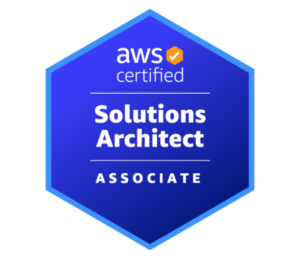
AWS: Solutions Architect Associate
Fit: Designing resilient, cost-aware architectures across multiple services.
Prep time: Varies by background; prioritise hands-on labs and IaC.
Role alignment: Junior Solutions Architect, Cloud Engineer.
Why AWS here: Breadth across compute, storage, networking, IAM and multi-account designs common in UK product teams.
Azure: Administrator Associate
Fit: Day-to-day Azure operations—RBAC, VNets, governance, and identity.
Role alignment: Azure Administrator, Platform Engineer (Microsoft stack).
Works well with: Microsoft 365, Endpoint management, baseline security.
Why Azure here: Deep integration with AD, policy and compliance across enterprise estates.
Google Cloud: Associate Cloud Engineer
Fit: Provisioning resources, configuring networks, and monitoring services in GCP.
Role alignment: Cloud Engineer, Junior SRE in data-oriented product teams.
Pairs with: Terraform, Python, and CI/CD pipelines.
Why GCP here: Clean IAM model and strong managed data services valued by analytics teams.
Specialist tracks: security, data, and DevOps
After an associate, specialise based on your target team’s priorities—security, data/AI, or platform/DevOps.
| UK role focus | AWS path | Azure path | Google Cloud path | Notes |
|---|---|---|---|---|
| Cloud Security Analyst | Security Specialty after Solutions Architect or SysOps | Security Engineer Associate/Specialty after Administrator | Professional Cloud Security Engineer after ACE | Strengthen identity, network security, and incident response. |
| Data Engineer | Data Analytics or Database Specialty | Azure Data Engineer Associate | Professional Data Engineer | Prioritise SQL, Python, and pipeline design with IaC. |
| DevOps/Platform Engineer | Developer or DevOps Engineer Specialty | Azure Developer + DevOps Engineer Expert | Professional Cloud DevOps Engineer | Focus on CI/CD, observability, containers, IaC, and policy as code. |
| Solutions Architect (mid) | Solutions Architect Professional (after associate) | Azure Solutions Architect Expert | Professional Cloud Architect | Real-world design scenarios, governance, and cost control are key. |
When to mix vendors
Choose one vendor for your core journey, then add a crossover where your team’s stack demands it—common in UK consulting and multi-cloud estates.
- Azure core + AWS DevOps specialty for product teams using both.
- AWS core + GCP Data Engineer for analytics-led platforms.
- Azure core + Security specialty regardless of cloud if you work in governance-heavy sectors.
Study approach and support
Live, expert-led learning accelerates progress—especially for labs, architecture reviews, and exam technique. Codionix IT Training UK offers flexible weekday, weekend and evening virtual classes, one-to-one training, and structured certification preparation so you can build job-ready skills alongside exam goals.
- Pick a timetable you can sustain for 8–12 weeks rather than cramming.
- Balance theory with labs using real cloud accounts and IaC.
- Track progress with weekly goals and short practice reviews.
- Use a career consultation to map your certs to the roles you want.
Common mistakes to avoid
- Chasing brand names without aligning to a role or employer environment.
- Skipping identity, networking and security fundamentals—these underpin every cloud.
- Relying only on videos; you need hands-on labs and scenarios.
- Collecting multiple fundamentals instead of progressing to one associate.
- Ignoring governance, cost management and policy—essential in UK enterprises.
- Delaying portfolio evidence; capture lab notes, diagrams and mini case studies.
Final guidance
If you support Microsoft-heavy estates, Azure is usually the most direct route. If you want broad architecture skills across fast-moving teams, build on AWS. If your work is data-first, Google Cloud often fits best. Choose one core path, reach associate level with solid hands-on practice, then add a targeted specialty or crossover only when it strengthens your role fit.
Book a free consultation to get personalised advice on the right IT course or career path for your goals.
Turn what you just learned into a real IT career move
Whether you want to build job-ready skills, follow a structured career path, or get expert advice before choosing a course, Codionix IT Training UK can help you move forward with confidence.
Explore IT Courses
Browse instructor-led training across cloud, cybersecurity, networking, data, support, digital skills, and more.
View CoursesView Career Paths
See structured pathways designed to help you progress toward roles like helpdesk technician, network engineer, ethical hacker, and beyond.
Explore Career PathsBook Free Consultation
Not sure which course or path fits you best? Speak with the team and get clear, practical guidance before you commit.
Get Free AdviceRelated articles

Employer-Funded Training UK 2026: Build a Solid Case
Learn how to present a UK-focused, employer-funded upskilling plan with a clear ROI and schedule fit. A practical decision checklist helps you win managerial approval for live online IT training.

Power BI vs Tableau vs Looker Studio UK 2026: Training Paths
Compare Power BI, Tableau, and Looker Studio for UK analysts in 2026. See practical, career-focused guidance on skills, demand, and training routes.

Career Change to IT UK: Map Transferable Skills With Hands-On Labs
Discover how to translate non-tech experience into entry-level IT roles. Learn with a practical skills-translation matrix and hands-on lab scenarios, plus guidance on next steps and a free one-to-one consultation.
Free IT Training Consultation
Use the calendar to book your free one-to-one course advice session with a Codionix IT training expert. Get personalized career guidance to help you choose the best online IT course in the UK for your goals. We’re happy to answer any questions you may have and help you determine which of our training programs best fit your needs.
How it works?
You schedule a call at your convenience
We do a free discovery and consulting meeting
We guide you towards the best career path for you
Your benefits:
- Personal Guidance
- Course Clarity
- Career Focus
- Honest Advice
- Stress-Free
- Clear Direction
Find us on:
Schedule a Free Consultation

Not sure which IT course is right for you? Book a free consultation and get expert guidance from our team — no cost, no pressure.