Beginner Debugging Skills for Junior Roles: Practical Tips
Build Confidence with Debugging Before You Apply for Junior Roles
Beginner debugging skills for junior roles are less about flashy tools and more about reliable habits. If you can reproduce issues, isolate probable causes, and verify a fix without breaking something else, you instantly look more job-ready than many applicants.
This article shows you the practical debugging behaviours hiring managers notice: how to capture a failing case, read error messages, trace code paths, and communicate what you tried. You will learn simple techniques you can practise today and carry into interviews, take‑home tasks, and your first weeks on the job.
We focus on the gap most new programmers feel: you can write code, but struggle to reason about problems independently. By the end, you will have a lightweight workflow for diagnosing issues with confidence and a checklist to judge your own readiness for junior developer roles.
Core beginner debugging skills for junior roles
You don’t need to master every framework to debug well. You need a repeatable way to make a bug appear, make it small, and prove it’s gone.
1) Reproduce the problem on purpose
If a bug appears only sometimes, you can’t fix it with confidence. Pin it down so you can run the same failing case repeatedly.
- Capture exact steps, input data, environment, and any configuration toggles.
- Turn off auto-reload or caching if it hides timing issues.
- Lock versions of dependencies to remove moving targets.
- Save an example input or dataset that always triggers the issue.
2) Create a minimal reproducible example
Make the bug small
- Strip out features unrelated to the failure until only the error remains.
- Replace network calls with fixed data so the result doesn’t depend on an external service.
- Hard-code parameters used by the failing path to cut randomness.
- Clone the code into a scratch file or branch dedicated to the reduction.
Why it works: fewer moving parts means fewer places for the cause to hide, and reviewers can help more easily.
3) Trace flow and state with the right tools
Good debuggers help you watch how values change and where execution jumps.
Breakpoints and watches
Pause before the failing line. Step over/into functions. Watch key variables and confirm your mental model matches reality.
Targeted logging
Log inputs/outputs at boundaries (API call, DB query, file read). Include context like IDs and timestamps. Remove noisy logs after the fix.
4) Separate symptoms from root cause
Crashes, blank screens, and timeouts are symptoms. Your job is to prove the smallest change that stops the failure for the right reason.
Symptom investigation
- Locate the first line in your codebase mentioned in the stack trace.
- Check recent commits that touched this area.
- Write a tiny assertion that fails where the symptom appears.
Cause verification
- Toggle one variable or branch at a time and observe the effect.
- Replace complex dependencies with stubs to see if the error persists.
- Confirm the fix also works with a different input that previously failed.
If adding a console log makes the bug disappear, you’re likely facing a timing issue. Use breakpoints or controlled delays to confirm, then stabilise the sequence with proper synchronisation or retries.
5) Read errors like a detective
Turn messages into actions
- Start with the top-level message, but jump to the first stack-frame you control.
- Underline repeated terms (e.g., “undefined”, “permission”, “timeout”) and search official docs using those exact phrases.
- Check release notes for libraries you recently upgraded.
- When online answers differ, recreate their fix in a throwaway branch and test, don’t guess.
6) Prove the fix works and won’t regress
- Write a failing test (or a repeatable script) before changing code.
- Make the test pass with the smallest, clearest change.
- Re-run the whole suite or critical flows to catch side effects.
- Document why the fix works so future you can understand it.
7) Communicate clearly in interviews and at work
Structure your report
- Context: what you were trying to do and where.
- Steps to reproduce: precise, numbered, and short.
- Expected vs actual: one sentence each.
- Suspected cause: your current hypothesis and evidence.
- Fix summary: exact change and why it addresses the root cause.
- Proof: test name, log snippet, or commit hash.
Demonstrating this clarity in project READMEs and issue threads boosts credibility; see what UK employers expect in a junior developer portfolio for signals to highlight.
Practice plan: one week to sharper debugging
- Day 1: Pick a small app you built. Break one feature intentionally and write steps to reproduce.
- Day 2: Reduce the failing case to a minimal example in a new file.
- Day 3: Add two assertions that capture the failure exactly.
- Day 4: Use a debugger to step through the failing path; note where reality diverges from your assumption.
- Day 5: Implement the smallest fix and add a test to prevent regression.
- Day 6: Write a clear issue report and a short README section describing the bug and fix.
- Day 7: Repeat on a different module or language feature you find tricky.
For more ideas on turning practice into portfolio-ready work, explore how to build practical coding skills beyond tutorials.
Common mistakes to avoid
- Changing several things at once and not knowing what fixed it.
- Ignoring warnings and lint errors that point straight at the cause.
- Copying fixes from forums without a reproducible test.
- Skipping the write-up; undocumented fixes are hard to learn from.
Final advice
Good debugging is a set of small, consistent habits: reproduce the issue, make it smaller, trace state, test the fix, and explain your thinking. Practise these steps on your own projects until they feel automatic. When interviews or real incidents arrive, you’ll have a calm, methodical workflow to lean on—and that’s exactly what teams look for in junior developers.
Turn what you just learned into a real IT career move
Whether you want to build job-ready skills, follow a structured career path, or get expert advice before choosing a course, Codionix IT Training UK can help you move forward with confidence.
Explore IT Courses
Browse instructor-led training across cloud, cybersecurity, networking, data, support, digital skills, and more.
View CoursesView Career Paths
See structured pathways designed to help you progress toward roles like helpdesk technician, network engineer, ethical hacker, and beyond.
Explore Career PathsBook Free Consultation
Not sure which course or path fits you best? Speak with the team and get clear, practical guidance before you commit.
Get Free AdviceRelated articles
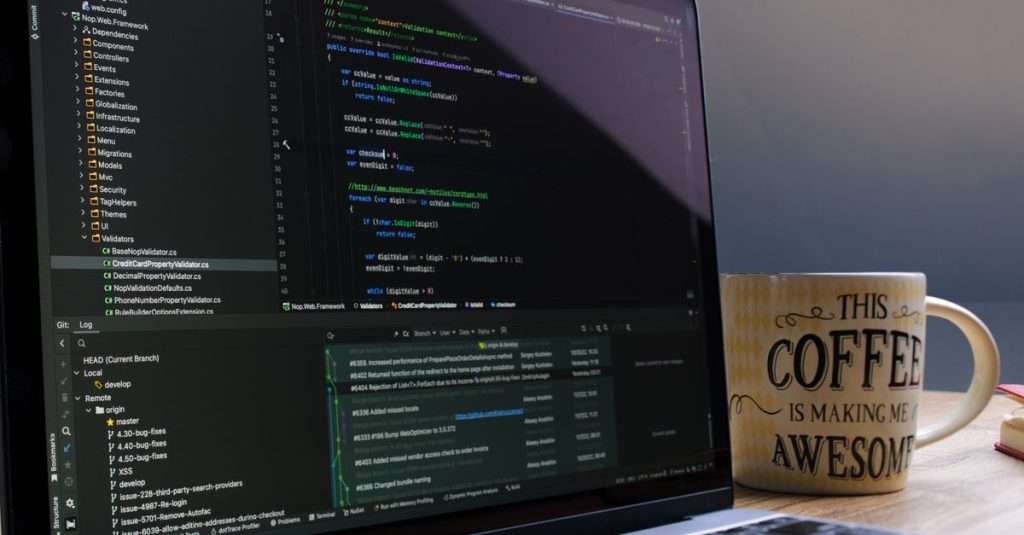
What UK Employers Look For in a Junior Developer Portfolio
Explore the signals UK employers expect in a junior developer portfolio. Learn how to present projects, code quality, and measurable impact to boost entry-level applications.

How Long to Learn Web Development Part-Time in the UK
Balanced around work and family, this guide offers a realistic timeline for learning web development part-time in the UK. It also highlights flexible routes and practical steps to start a career.

Frontend vs Backend vs Full Stack: Which Path Suits You Best
Explore the strengths, learning curves, and career outcomes of frontend, backend, and full-stack roles. This decision-focused guide helps you choose the right development path and points you to relevant training options.
Free IT Training Consultation
Use the calendar to book your free one-to-one course advice session with a Codionix IT training expert. Get personalized career guidance to help you choose the best online IT course in the UK for your goals. We’re happy to answer any questions you may have and help you determine which of our training programs best fit your needs.
How it works?
You schedule a call at your convenience
We do a free discovery and consulting meeting
We guide you towards the best career path for you
Your benefits:
- Personal Guidance
- Course Clarity
- Career Focus
- Honest Advice
- Stress-Free
- Clear Direction
Find us on:
Schedule a Free Consultation

Not sure which IT course is right for you? Book a free consultation and get expert guidance from our team — no cost, no pressure.