How Long to Learn Web Development Part-Time in the UK
Learning Web Development Part-Time in the UK: A Realistic Plan That Fits Your Week
Many people ask, “how long to learn web development part-time uk?” The honest answer depends on your weekly hours, your starting point, and how quickly you turn study into small, shippable projects. This guide frames a practical UK timeline so you can plan around work and family without burning out.
You’ll see clear part-time pace options, what actually changes the timeline, and a simple weekly plan you can keep. We’ll also outline two sensible beginner routes (a WordPress-first builder track and a coding-first front-end track), plus the milestones that show you’re on course.
If your goal is to become genuinely job-ready rather than just finish a course, this article will help you choose a route, set expectations, and avoid the slowdowns that stall many part-time learners.
How long to learn web development part-time in the UK: realistic timelines
For part-time learners, timelines flex with hours per week and the quality of your practice. Below are common paces and what you can expect to achieve if you keep steady, project-based momentum.
Lite 5 hours/week
- Foundations: HTML, CSS, Git basics in about 2–3 months
- Portfolio v1: 1–2 small sites in about 5–7 months
- Junior-ready: 10–14 months with JavaScript fundamentals and responsive builds
Standard 8–10 hours/week
- Foundations: 1–2 months
- Portfolio v1: 3–5 months (3–4 varied projects)
- Junior-ready: 7–10 months (JS, accessibility, performance basics)
Intensive PT 12–15 hours/week
- Foundations: ~1 month
- Portfolio v1: 2–3 months
- Junior-ready: 5–7 months; optionally add a framework or light backend by month 8–9
Keep in mind: These ranges assume consistent weekly practice, quick feedback loops, and incremental projects. Prior experience, study breaks, and project ambition can shift timelines earlier or later.
What actually changes your timeline
- Hours you can protect weekly: Predictable small slots beat sporadic weekend marathons.
- Project-first approach: Shipping small, real sites accelerates learning more than passive watching.
- Feedback speed: Code reviews, pair sessions, and tutor support help you correct faster.
- Scope control: Right-size projects. Overambitious builds stall momentum.
- Role target: Front-end readiness is typically faster than full-stack. Add time for backend and databases.
Practical weekly plan you can keep
A simple part-time rhythm (example)
- 2 sessions × 90 mins: Focused learning and guided practice
- 1 session × 60 mins: Project implementation (ship something small)
- 1 session × 60 mins: Review, refactor, and notes for next week
Tip: End each session by writing the very next step you’ll take. Starting is then frictionless.
Two part-time routes to a portfolio
Route A WordPress-first builder
Build real websites quickly, learn hosting, themes, the Block Editor, and essential plugins. Great for freelancers and small-business sites.
Best for: Visual builders, marketing-savvy roles, fast portfolio wins
Pace: Launch your first site in weeks; compound skills over months
Commitment: 5–10 hrs/week works well
Pathway fit: Client sites, content-heavy projects, SEO-friendly builds
Want a structured start? See the WordPress Website Design & Development training.
Route B Coding-first front-end
Learn HTML, CSS, and modern JavaScript, then a framework (often React) and web fundamentals like accessibility and performance.
Best for: Developer roles, product teams, longer-term progression
Pace: Foundations in 1–2 months (8–10 hrs/week), junior-ready portfolio by 7–10 months
Commitment: 8–12 hrs/week recommended
Pathway fit: Front-end or full-stack with backend added later
If you’re weighing specialisms, this comparison helps: frontend vs backend vs full stack.
Full-stack later? Add Node.js, a database (e.g., Postgres), and auth after your front-end portfolio v1. Expect an extra 2–4 months part-time for comfortable full-stack basics.
Live classes, self-paced, or mixed?
Live, instructor-led
- Accountability and faster feedback
- Good for questions, debugging, and staying on track
Self-paced
- Maximum flexibility
- Requires strong self-direction and project discipline
Unsure which suits you? See this comparison of live online classes vs self-paced courses.
Common pitfalls that slow learners down
Mistakes to avoid
- Tutorial looping: Watching without building. Always ship something after each lesson.
- Over-scoping: Start with static sites and small JS features before frameworks.
- No code reviews: Seek feedback weekly to catch misunderstandings early.
- Ignoring fundamentals: CSS layout, semantics, and Git save you time later.
- Portfolio neglect: Curate 3–5 focused projects that show breadth and quality, not 20 half-finished demos.
Milestones that show you’re on track
Months 0–2
- Semantic HTML and modern CSS layout
- Git basics; push to GitHub
- One-page site or simple multi-page brochure
Months 3–6
- Responsive sites; accessibility basics
- JS fundamentals (DOM, events, fetch)
- 2–3 projects: landing page, small app, component library
Months 7–12
- Portfolio v1 live with write-ups
- Optional framework or CMS proficiency
- Refactoring, performance, and small real-user feedback loop
Decision shortcut: If you want quicker wins and client sites, start Route A (WordPress-first). If you want developer roles in product teams, choose Route B (coding-first) and plan for 7–10 months part-time to a solid portfolio.
Final advice
Pick a route, lock in weekly hours you can protect, and ship one small thing every week. Use feedback to correct fast, keep projects right-sized, and track progress by milestones, not calendar months. That’s how part-time learners in the UK turn steady effort into a credible web development portfolio.
Turn what you just learned into a real IT career move
Whether you want to build job-ready skills, follow a structured career path, or get expert advice before choosing a course, Codionix IT Training UK can help you move forward with confidence.
Explore IT Courses
Browse instructor-led training across cloud, cybersecurity, networking, data, support, digital skills, and more.
View CoursesView Career Paths
See structured pathways designed to help you progress toward roles like helpdesk technician, network engineer, ethical hacker, and beyond.
Explore Career PathsBook Free Consultation
Not sure which course or path fits you best? Speak with the team and get clear, practical guidance before you commit.
Get Free AdviceRelated articles

Beginner Debugging Skills for Junior Roles: Practical Tips
A practical guide for new programmers to build confidence with debugging skills. Learn key habits to reproduce issues and isolate root causes.
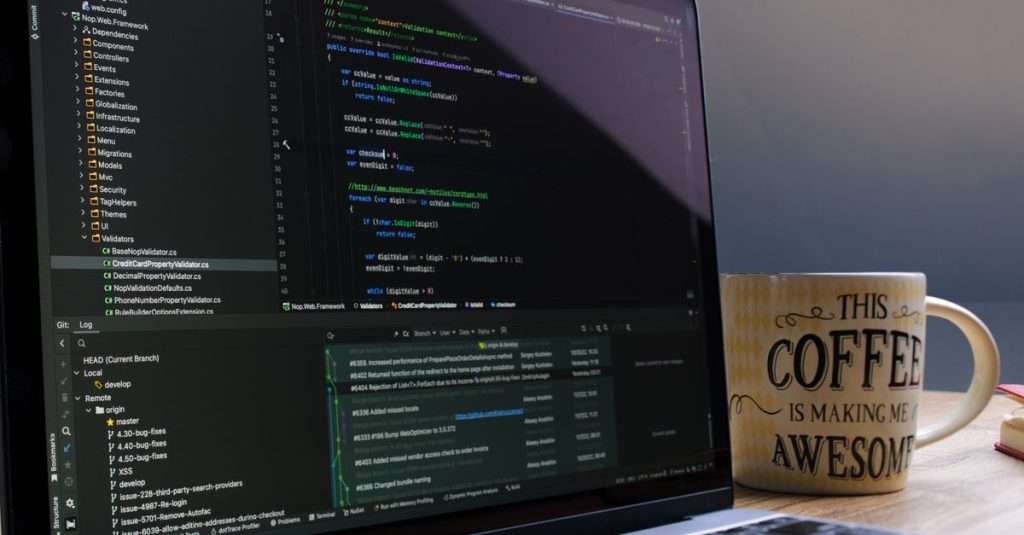
What UK Employers Look For in a Junior Developer Portfolio
Explore the signals UK employers expect in a junior developer portfolio. Learn how to present projects, code quality, and measurable impact to boost entry-level applications.

Frontend vs Backend vs Full Stack: Which Path Suits You Best
Explore the strengths, learning curves, and career outcomes of frontend, backend, and full-stack roles. This decision-focused guide helps you choose the right development path and points you to relevant training options.
Free IT Training Consultation
Use the calendar to book your free one-to-one course advice session with a Codionix IT training expert. Get personalized career guidance to help you choose the best online IT course in the UK for your goals. We’re happy to answer any questions you may have and help you determine which of our training programs best fit your needs.
How it works?
You schedule a call at your convenience
We do a free discovery and consulting meeting
We guide you towards the best career path for you
Your benefits:
- Personal Guidance
- Course Clarity
- Career Focus
- Honest Advice
- Stress-Free
- Clear Direction
Find us on:
Schedule a Free Consultation

Not sure which IT course is right for you? Book a free consultation and get expert guidance from our team — no cost, no pressure.