UK IT Skills in Demand 2026: What Hiring Managers Seek
UK IT skills in demand 2026: hiring signals and first steps
UK IT skills in demand 2026 isn’t a vague wishlist; it’s a clear pattern showing up across real UK job adverts. Hiring managers are asking for cloud-first literacy, security-by-default habits, practical data use, and comfort with AI-enabled tools — with small, verifiable proofs that you can apply them at work.
This article decodes those signals and maps them to entry-level routes a beginner or career changer can follow. You’ll see which skills move the needle in 2026, how to evidence them in weeks not years, and which certifications or mini-projects best match early-stage roles.
If you’re shortlisting courses or planning a pivot, use this guide to prioritise the right foundations, avoid common dead-ends, and shape a simple learning plan you can actually finish. We keep it UK-specific and practical so you can make confident choices — and know when to seek one-to-one advice.
UK IT skills in demand 2026: the shortlist
Across UK postings in SMEs, public sector and enterprise, five themes repeat: cloud fluency, defensive security basics, practical data skills, AI-assisted productivity and modern endpoint/network foundations. Here’s how to read what managers mean — and how a beginner can show it credibly.
What hiring managers expect to see
- Cloud fundamentals plus one vendor you can navigate.
- Security-first mindset in everyday tasks, not just theory.
- Data analysis to support decisions, not just spreadsheets.
- Simple automation or scripting to remove toil.
- Device and identity management for hybrid work.
- Evidence: small labs, tickets resolved, dashboards, runbooks.
How beginners can show it
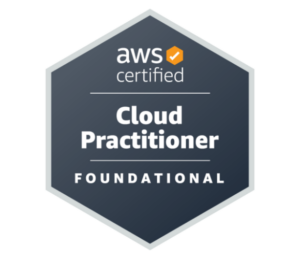
- Pass a recognised fundamentals cert (e.g., AZ-900, AWS Cloud Practitioner, SC-900).
- Publish a one-page Power BI dashboard with data cleaning notes.
- Harden a trial tenant or VM and document before/after.
- Automate a routine task with Power Automate or n8n and measure time saved.
- Write a short ticket-to-resolution case with screenshots and steps.
- Keep a tidy evidence log (GitHub/Notion) linked to each job requirement.
Key insight: Proof beats claims. One or two well-documented mini projects aligned to the job advert often outweigh an extra theory module.
1) Security everywhere: defensive skills for any role
Even non-security roles now reference access control, basic hardening, incident reporting, and secure collaboration. Employers want hands-on familiarity with MFA, least privilege, patching cadence, and safe data handling.
- Good starting certs: ISC2 Certified in Cybersecurity (CC), Microsoft SC-900, CompTIA Security+ (for broader coverage).
- Show it: baseline a Windows or Linux machine, enable hardening, document risks and remediations.
- Going deeper: SOC-style log triage, phishing simulations, role-based access reviews.
Planning a security-first route? Explore the Cyber Security Specialist pathway for a structured view of defensive skills and progression.
2) Cloud operations literacy: pick one vendor, speak the language
“Cloud exposure” in UK adverts usually means you can recognise core services, navigate a console, read a pricing page, tag resources, and discuss identity, networking and backups with confidence.
- First steps: Microsoft Azure Fundamentals (AZ-900), AWS Cloud Practitioner, or Google Cloud Digital Leader.
- Show it: deploy a small workload, apply tags, estimate cost, and capture a change log.
- Next steps: basic IaC concepts, backup/restore drills, alerts and policy guardrails.
If you’re torn between providers, this cloud certification comparison outlines how AWS, Azure and Google Cloud align to UK roles in 2026.
3) Data skills for real decisions: from Excel to BI
Teams expect clearer reporting, not just bigger spreadsheets. Adverts call for Excel literacy, simple SQL, and business-friendly visuals (Power BI is common in the UK).
- Starter options: Azure Data Fundamentals (DP-900), CompTIA Data+, Power BI Data Analyst (PL-300).
- Show it: a small dashboard with metrics, trend lines, and a one-paragraph insight.
- Stretch goal: clean a messy CSV with Python or Power Query and document data quality checks.
Considering analysis as a direction? The Data Analyst route shows a coherent path from foundations to visualisation and cloud data basics.
4) AI literacy and automation: safer, faster workflows
UK employers don’t just want “prompting”; they value safe, auditable use of AI to speed writing, analysis and support tasks. Add light automation to remove manual effort.
- Foundations: Azure AI Fundamentals (AI-900), AI Literacy for workplace tools, low-code automation with Power Platform or n8n.
- Show it: a repeatable workflow where AI drafts and you verify — with risk notes and quality checks.
- Stretch goal: sentiment or topic tagging on a small dataset, with a short validation summary.
5) Service desk and endpoint management: modern support
Entry roles now mention device compliance, remote management, and user support with clear escalation paths.
- Starter certs: CompTIA A+, Microsoft 365 Fundamentals, ITIL 4 Foundation; device-focused MD-102 for endpoints.
- Show it: create a lightweight runbook, a basic Intune-style baseline, and a troubleshooting story using logs and event traces.
- Stretch goal: a small PowerShell script to collect diagnostics and standardise fixes.
6) Networking, identity and zero-trust basics
Adverts signal the need to reason about subnets, DNS, VPNs, and identity-based access. Identity and device posture are core to hybrid work.
- Starters: Cisco CCNA topics for fundamentals, Microsoft SC-900 for identity and security concepts.
- Show it: diagram a simple network and identity flow for a sample app; add controls you would apply.
Prioritise your next 90 days
- Pick one stack to start (e.g., Azure + Power BI + Microsoft 365) and go deep enough to demonstrate outcomes.
- Target one fundamentals certification to validate language and concepts.
- Ship two mini projects aligned to adverts for your target role; document decisions and trade-offs.
- Collect evidence: screenshots, steps, links to code/config, a short reflection on what you’d improve.
Portfolio ideas that speak to UK adverts
- A one-page Power BI dashboard with row-level security example and a short narrative insight.
- A cloud cost snapshot with resource tags, budget alerts and a basic optimisation note.
- A hardening checklist for a Windows 11 VM with before/after findings.
- A small automation that triages a shared inbox or updates tickets from a form.
- A network-and-identity sketch showing MFA, conditional access and least privilege.
Support & Endpoint Starter Beginner Friendly
Best for: First IT role, hybrid support
Focus: Troubleshooting, device compliance, user onboarding
Commitment: Short, skills-first
First steps: CompTIA A+, Microsoft 365 Fundamentals, ITIL 4 Foundation; add MD-102 for endpoint depth when ready.
Proof you can show: a baseline compliance checklist, a scripted diagnostics collector, and a clean ticket resolution write-up.
Cloud Foundations Flexible Option
Best for: Ops-minded beginners
Focus: Core services, identity, cost and policy basics
Commitment: Short sprints
First steps: Azure Fundamentals (AZ-900) or AWS Cloud Practitioner or Google Cloud Digital Leader; practise tagging, policies and simple deployments.
Proof you can show: a tiny deployment with tags, a cost estimate, and a rollback/change log.
Data Analysis Starter More Structured
Best for: Analysts and operations roles
Focus: Data cleaning, BI visuals, basic SQL/Python
Commitment: Moderate
First steps: DP-900 for concepts, PL-300 for Power BI practice; consider CompTIA Data+ for breadth.
Proof you can show: a dashboard with data quality notes and a short decision recommendation.
Security Fundamentals
Best for: Any role needing safer defaults
Focus: Access control, threat basics, incident flow
Commitment: Short to moderate
First steps: ISC2 CC, SC-900, then CompTIA Security+ for wider coverage; practise hardening and basic log triage.
Proof you can show: a before/after hardening report and a mini incident response outline.
Common mistakes to avoid
- Collecting unrelated certificates without shipping any evidence projects.
- Ignoring security until “later” — it’s assessed at interview even for non-security roles.
- Skipping cost and identity basics in cloud labs; both are frequent interview topics.
- Overbuilding portfolios; two strong, documented pieces beat five half-finished starts.
Many UK adverts list “nice-to-haves”. Treat them as direction, not a checklist. Focus on the few skills you can demonstrate well and explain in plain English.
Final guidance
Keep your plan simple: one fundamentals cert, two targeted mini projects, and a tidy evidence log that speaks the language of the advert. When you’re ready to align training with a role pathway, Codionix IT Training UK offers expert-led, flexible options and free one-to-one consultation to shape your route with confidence.
Turn what you just learned into a real IT career move
Whether you want to build job-ready skills, follow a structured career path, or get expert advice before choosing a course, Codionix IT Training UK can help you move forward with confidence.
Explore IT Courses
Browse instructor-led training across cloud, cybersecurity, networking, data, support, digital skills, and more.
View CoursesView Career Paths
See structured pathways designed to help you progress toward roles like helpdesk technician, network engineer, ethical hacker, and beyond.
Explore Career PathsBook Free Consultation
Not sure which course or path fits you best? Speak with the team and get clear, practical guidance before you commit.
Get Free AdviceRelated articles

Employer-Funded Training UK 2026: Build a Solid Case
Learn how to present a UK-focused, employer-funded upskilling plan with a clear ROI and schedule fit. A practical decision checklist helps you win managerial approval for live online IT training.

Power BI vs Tableau vs Looker Studio UK 2026: Training Paths
Compare Power BI, Tableau, and Looker Studio for UK analysts in 2026. See practical, career-focused guidance on skills, demand, and training routes.

Career Change to IT UK: Map Transferable Skills With Hands-On Labs
Discover how to translate non-tech experience into entry-level IT roles. Learn with a practical skills-translation matrix and hands-on lab scenarios, plus guidance on next steps and a free one-to-one consultation.
Free IT Training Consultation
Use the calendar to book your free one-to-one course advice session with a Codionix IT training expert. Get personalized career guidance to help you choose the best online IT course in the UK for your goals. We’re happy to answer any questions you may have and help you determine which of our training programs best fit your needs.
How it works?
You schedule a call at your convenience
We do a free discovery and consulting meeting
We guide you towards the best career path for you
Your benefits:
- Personal Guidance
- Course Clarity
- Career Focus
- Honest Advice
- Stress-Free
- Clear Direction
Find us on:
Schedule a Free Consultation

Not sure which IT course is right for you? Book a free consultation and get expert guidance from our team — no cost, no pressure.